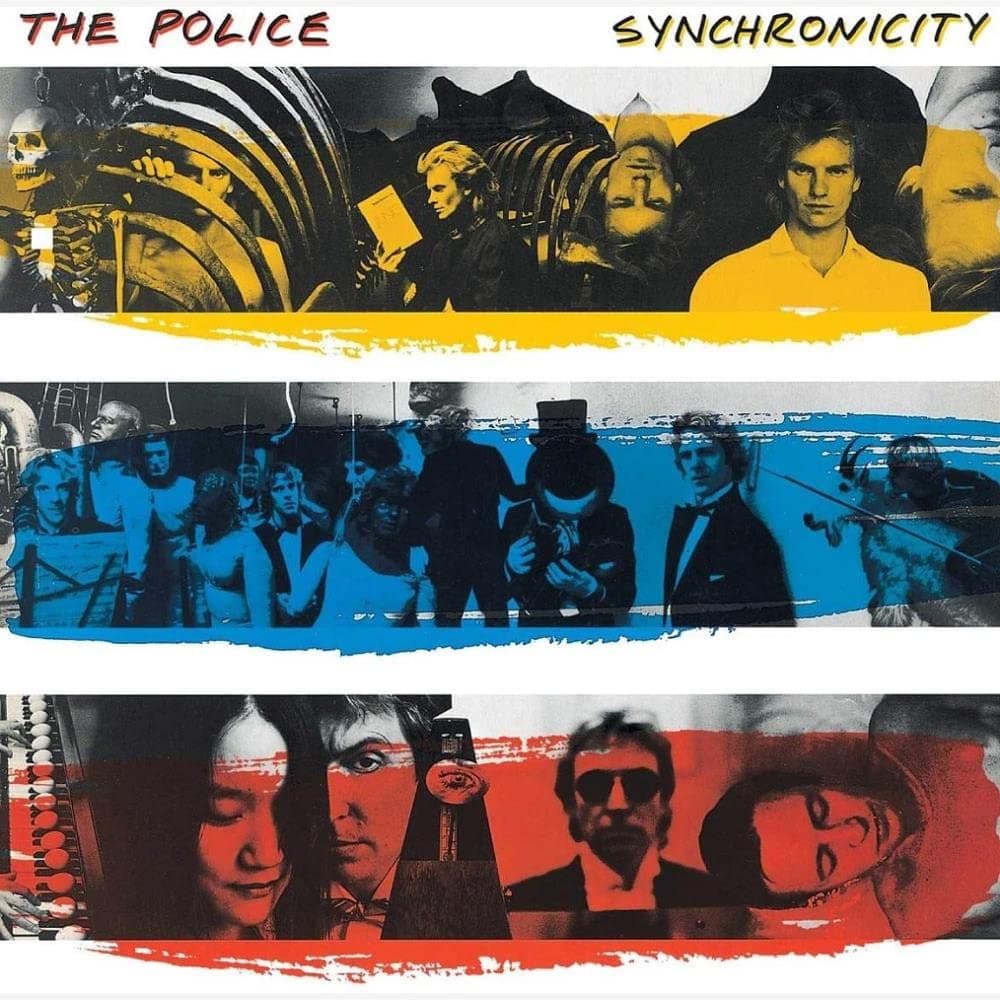
In 1983, the Police released their most successful album and took it into stadiums around the world. Yet Synchronicity would also be their last studio album. By the time the tour ended in March 1984, disagreements over songwriting, arrangements, and control had left the group’s future uncertain.
The conflict had been developing for years. Sting wrote most of the songs and increasingly wanted them recorded as he heard them. Andy Summers and Stewart Copeland expected to shape the music as band members. The making of “Every Breath You Take,” the success of the tour, and a failed return to the studio in 1986 show how those differences became difficult to resolve.
Three musicians, three ideas of the band
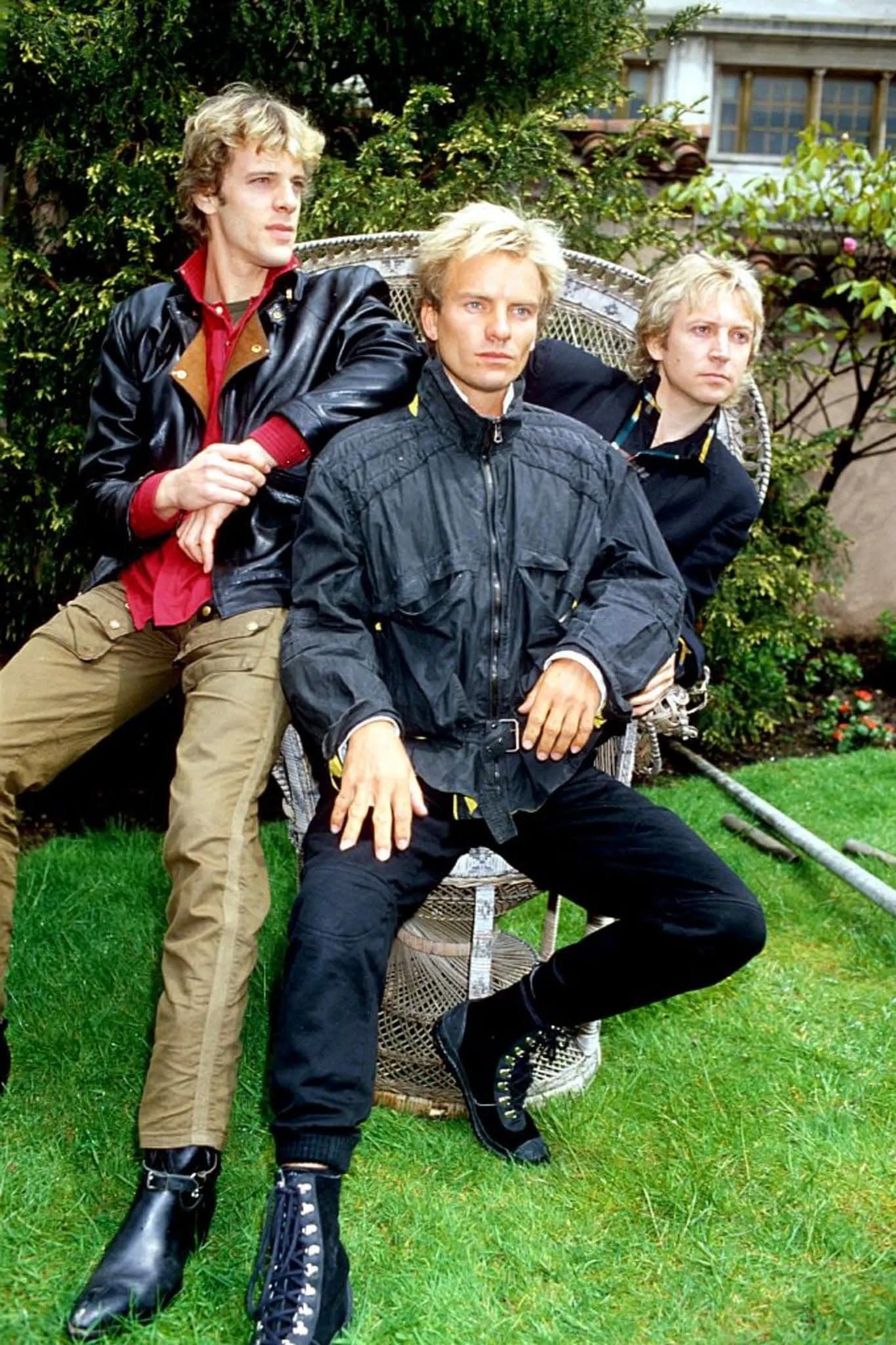
Copeland traced the growing tension to Zenyatta Mondatta, released in 1980. Sting was writing the hits, which placed more pressure on him, while record-company executives began visiting the studio and offering opinions. Copeland remembered those visits as an intrusion. Copeland’s album-by-album interview
By Synchronicity, the disagreement concerned how much freedom Summers and Copeland would have to alter Sting’s material. Looking back, Copeland described Sting as a songwriter who often arrived with the arrangement already completed in his mind. Taking it to the band meant accepting changes, and he became less willing to make those compromises. Copeland on the split
Sting’s songs and the limits of collaboration
Sting wrote material at GoldenEye, Ian Fleming’s former home in Jamaica, during a period of personal upheaval. His reading of Arthur Koestler and Carl Jung influenced the album, whose title referred to Jung’s concept of meaningful coincidence.
In later recollections, Sting described songs including “Every Breath You Take” and “Wrapped Around Your Finger” as closely tied to his own life. He said the personal subject matter made him uncomfortable submitting the work to a democratic process, and that he recognized during the recording that the Police were approaching their end. Sting’s official album archive
Montserrat: separate rooms and difficult sessions
The band gathered at George Martin’s AIR Studios on Montserrat in December 1982 with Hugh Padgham, who had also worked on Ghost in the Machine. Sting’s album archive
They recorded in separate rooms: Sting in the control room, Summers in the studio’s live area, and Copeland in a dining room. The setup was chosen for recording quality, particularly the drum sound. The separate rooms were not simply a way to keep the musicians apart. Padgham’s account in Sound On Sound
The arrangement nevertheless made communication difficult. Copeland told Mix that after a take he could not hear the others discussing his performance unless someone opened the talkback. He would sit waiting, assuming their conversation was critical. He liked the sound of the drums in that room but disliked being isolated from the discussion. Copeland and Padgham interviewed by Mix
Padgham later recalled verbal and physical confrontations during the sessions. Summers and Copeland also acknowledged the arguments when interviewed by MOJO in 2024. Copeland accepted his own share of responsibility, rather than blaming Sting alone. MOJO’s interview
How Summers helped finish “Every Breath You Take”
According to Copeland, Sting’s demo of “Every Breath You Take” featured his voice over Hammond organ. The band recognized its potential, but the recording changed substantially when Summers developed the guitar part. Copeland recalled that this was when the arrangement came together. Mix’s recording account
Summers remembered recording the guitar performance in one uninterrupted take. He told FretBuzz that the people listening stood and applauded, and he took a bow. The manager then announced that he wanted to take the recording to the record company. Summers interviewed by Jon Wiederhorn
The session illustrates the distinction at the center of the band’s arguments: Sting supplied the song, while Summers helped determine how the finished record sounded.
The argument over the drums
“Every Breath You Take” required a different approach from Copeland’s usual playing. He described recording its percussion parts separately to a click, rather than performing the entire drum part in a conventional full-kit take. Sting had become attached to a programmed hi-hat sound; Copeland wanted to play it himself.
They argued repeatedly over the part. Copeland later said he was proud of the recording’s simplicity, even though getting there had been contentious. Copeland on the recording
Another dispute occurred after work moved to Le Studio in Morin-Heights, Quebec. Padgham told SonicScoop that Copeland added a hi-hat overdub one morning while Sting was away skiing. When Sting returned, he demanded that it be erased. Padgham agreed that the part was unnecessary and removed it, but Copeland felt the producer had sided with Sting.
Erasing a performance from analog tape meant losing it permanently. Padgham’s account does not identify which song was involved, so it should not automatically be treated as another incident during “Every Breath You Take.” Padgham’s SonicScoop interview
Who gets to shape a Police record?
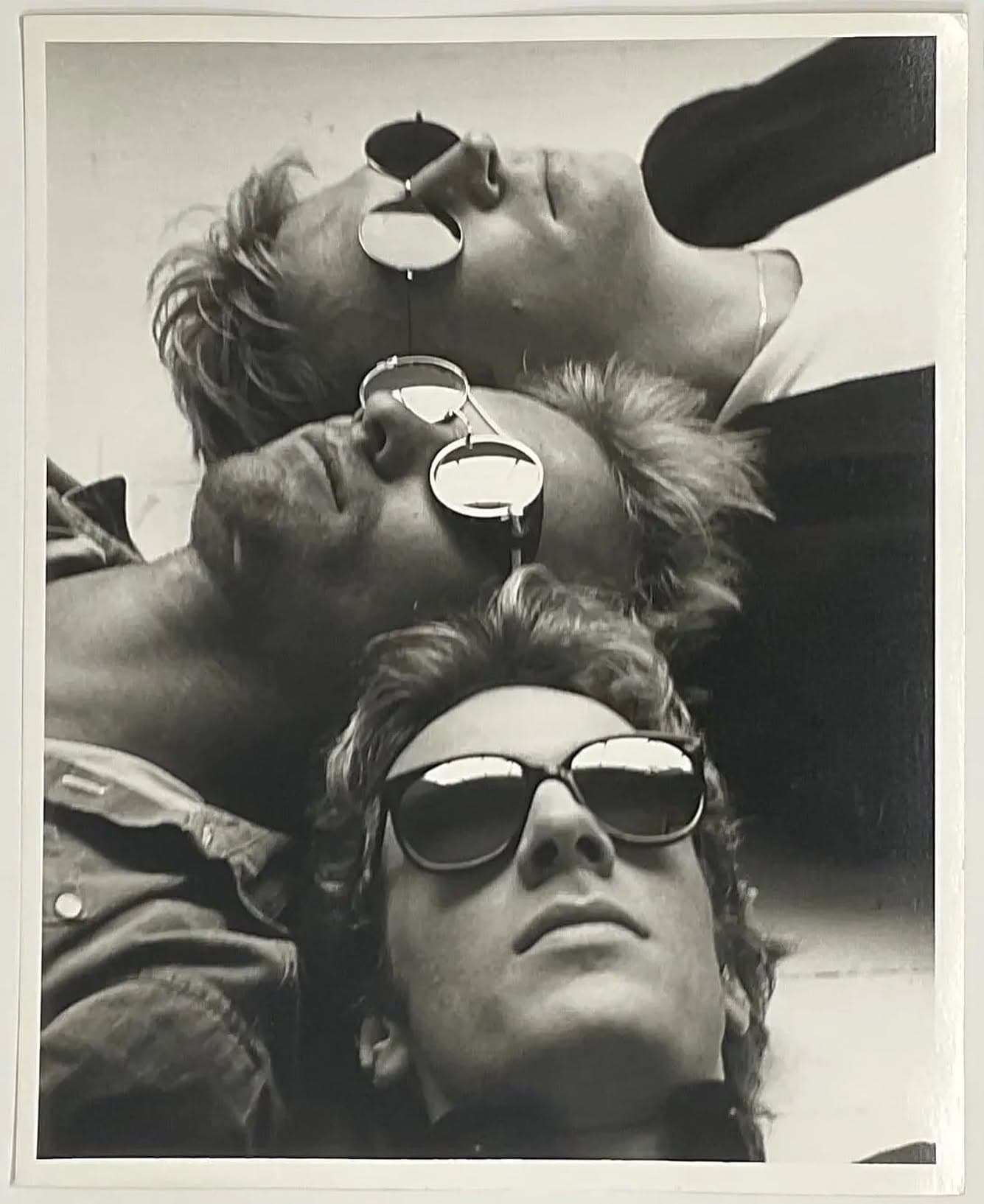
Sting wrote eight of the original album’s ten songs. Summers contributed “Mother,” and Copeland contributed “Miss Gradenko.” Library of Congress recording essay
Song selection was another source of tension. Sting later explained that he could arrive with an album’s worth of material but still have to consider songs from his bandmates that he did not think were as good. Rejecting their work was personally difficult, and it was a process he no longer wanted to go through. Sting’s interview excerpts in MOJO
His comments explain his frustration, but they represent his assessment of the songs. Summers’ contribution to “Every Breath You Take” also shows why his role cannot be measured solely by the number of tracks carrying his writing credit.
The tour made the achievement impossible to ignore
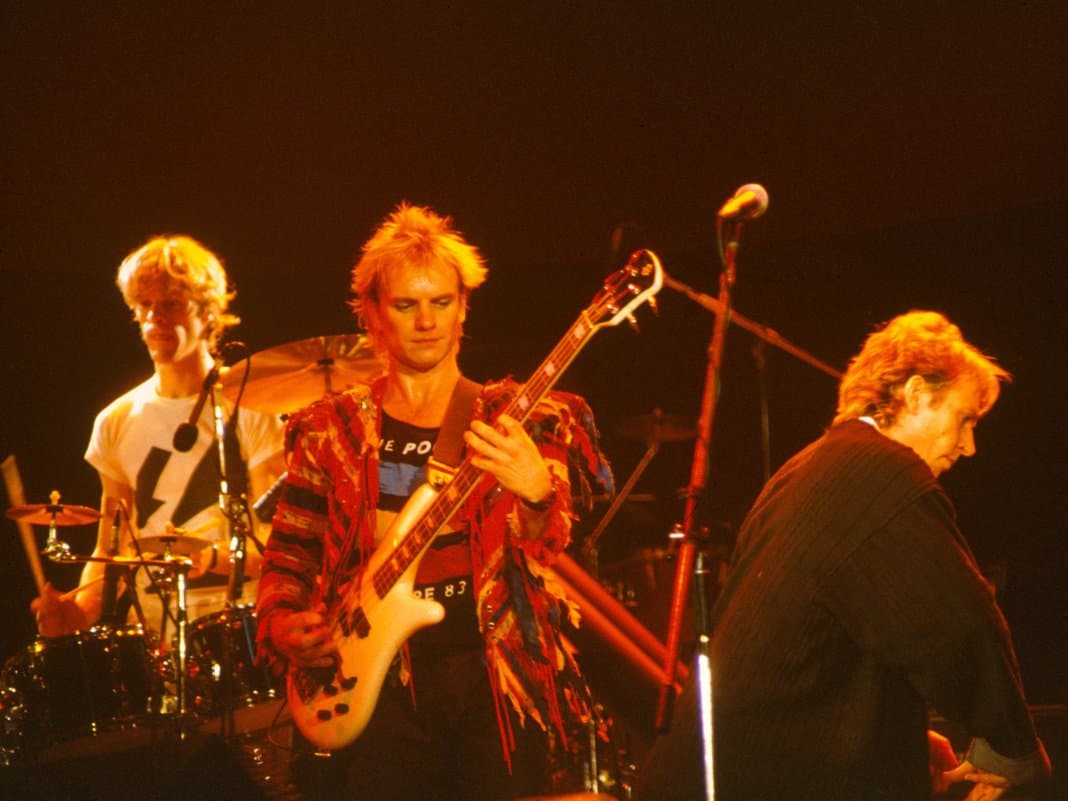
Synchronicity was released on June 17, 1983. SonicScoop’s album retrospective
At Comiskey Park in Chicago on July 23, the Police headed a bill featuring Ministry, the Fixx, Joan Jett and the Blackhearts, and A Flock of Seagulls. Contemporary coverage noted that the band had both the country’s best-selling album and single. Chicago concert coverage
The tour’s production matched that success. At Sullivan Stadium in Massachusetts in August, reviewers described three backing singers and video screens. During a staged tea break, a camera followed the trio backstage as they put on hats, drank tea, and upset the table setting before returning to play. The Boston Globe reported that they arrived by helicopter and praised the concert. Contemporary Boston and USA Today reviews
The album also earned five Grammy nominations. At the 1984 ceremony, “Synchronicity II” won the rock group performance award. “Every Breath You Take” won the pop group performance award and earned Sting Song of the Year as its writer. Recording Academy
Shea Stadium and Sting’s decision to stop
The Police played New York’s Shea Stadium on August 18, 1983, with R.E.M. among the supporting acts. R.E.M.’s official archive
Sting acknowledged the venue’s association with the Beatles by thanking them for the use of their stadium. Library of Congress
He later recalled returning to a Long Island house where the band’s families were staying and telling Summers that they should stop because the experience could not be bettered. In Sting’s recollection, Summers agreed. That account explains Sting’s thinking; it does not establish that all three musicians agreed that night to dissolve the band. Sting’s recollection for In the Studio
The tour continued after Shea, but Sting was already considering an end to the partnership. His official biography identifies the period after the concert as the point when he told the others that a break was needed. Sting’s biography
The personal cost of touring
Summers later described the band’s schedule as almost continuous touring. In a 2023 Classic Rock interview, he recalled both the excitement of their popularity and the exhaustion. Fame also restricted ordinary life: leaving a hotel or going out in public could become difficult.
He discussed the strain on his marriage, which ended in divorce before he and his wife eventually reconciled after the band’s original run. His account places the final tour in the context of years of travel and time away from home. Summers interviewed by Classic Rock
The tour ended, but the breakup took longer
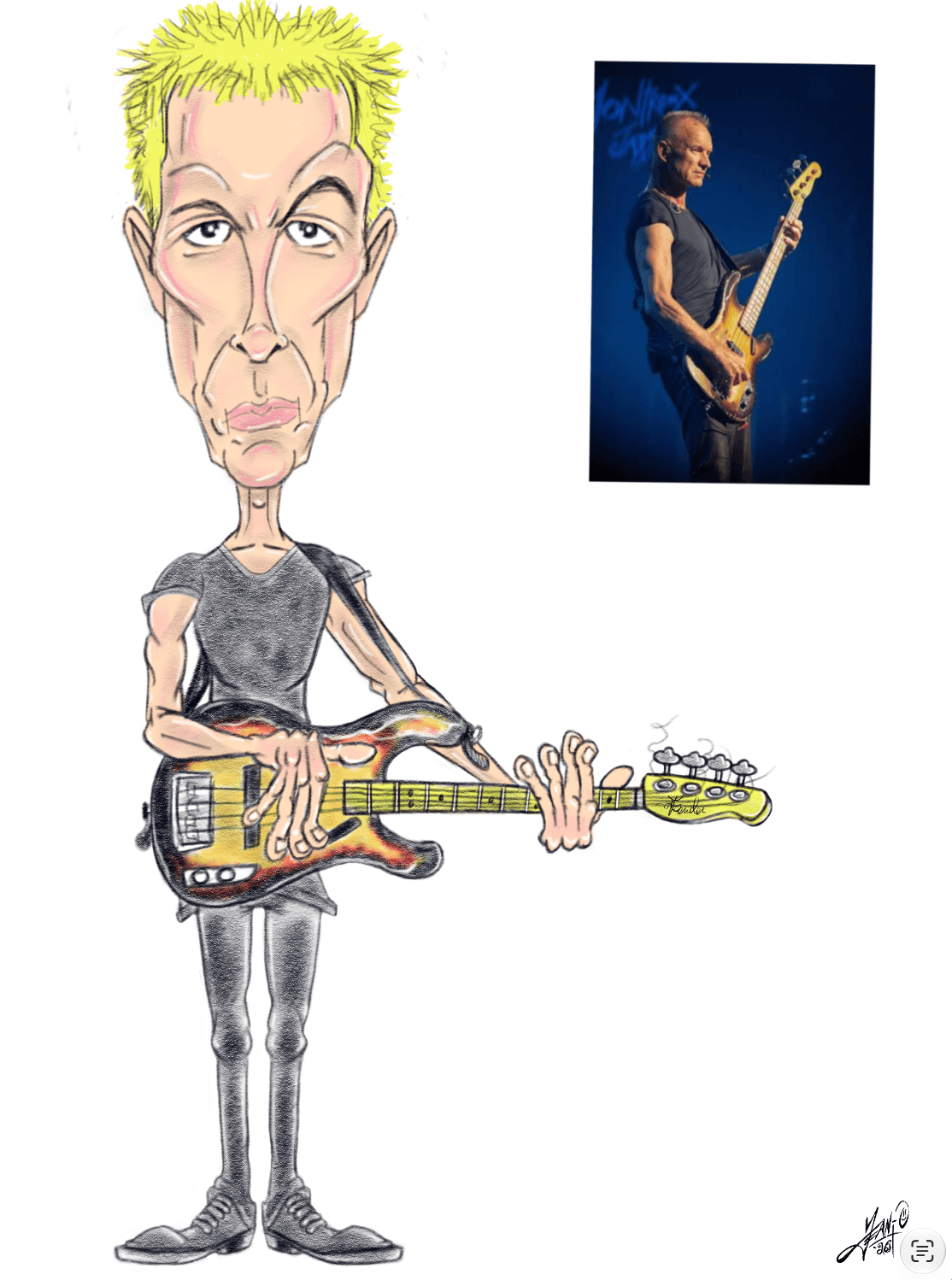
The final Synchronicity tour concert took place at Melbourne Showgrounds on March 4, 1984. The promoter’s archive confirms the date. Frontier Touring
Reporting on that show, The Age described about 50,000 fans and a performance that did not reveal the toll of nearly year-round touring. Its coverage also noted uncertainty over whether the band was taking an extended break or ending altogether. Contemporary Melbourne coverage
Sting released The Dream of the Blue Turtles in June 1985, working with musicians including Branford Marsalis, Kenny Kirkland, Omar Hakim, and Darryl Jones. His solo career gave him a successful alternative to returning to the Police. Sting’s official biography
The trio still appeared together at Amnesty International benefits in 1986. U2’s tour archive
A return to recording that year failed to produce a new studio album. Summers recalled that Copeland broke his collarbone in a riding accident before the sessions and that Sting did not want to write new songs. They released a remake of “Don’t Stand So Close to Me” instead. The injury disrupted the sessions, but the creative disagreements had existed long before it. Summers on the attempted follow-up
Why Synchronicity remained their last album
The Police reunited for a tour in 2007–08, but working together still required adjustments. Copeland described the difficulty of taking direction again after each musician had spent years running his own projects. Rhythm/MusicRadar
The recordings from the Synchronicity period received an expanded release in July 2024, including demos, alternate takes, and a concert recorded at Oakland-Alameda Coliseum on September 10, 1983. The Police’s official reissue announcement
The band’s original run ended through a series of decisions: Sting’s growing resistance to compromise in the studio, his desire for a break after Shea, the move into solo work, and the unsuccessful 1986 sessions. Synchronicity and its tour did not cause every disagreement, but they exposed how differently the three musicians wanted to work—and left Sting with little reason to continue under the same arrangement.